Effective training does more than raise awareness. It gives staff a shared approach to recognising risk, communicating clearly, deciding when to withdraw or escalate, and recording what happened so the organisation can learn.
Conflict ManagementLocal authority reception
A refusal at reception became a personal confrontation
The operational challenge
A visitor who could not receive the outcome they wanted raised their voice, moved closer to the counter and directed personal abuse at a member of staff. Several colleagues spoke at once, increasing noise and confusion.
What made the situation riskier
Mixed messages, reactive language and no clear lead communicator allowed frustration to escalate while other visitors remained nearby.
Our tailored approach
Recognise escalation cues in language, movement and proximity
Use one calm lead communicator and clear, realistic choices
Set limits on abusive behaviour without arguing about the person's character
Create space, summon support and disengage before control is lost
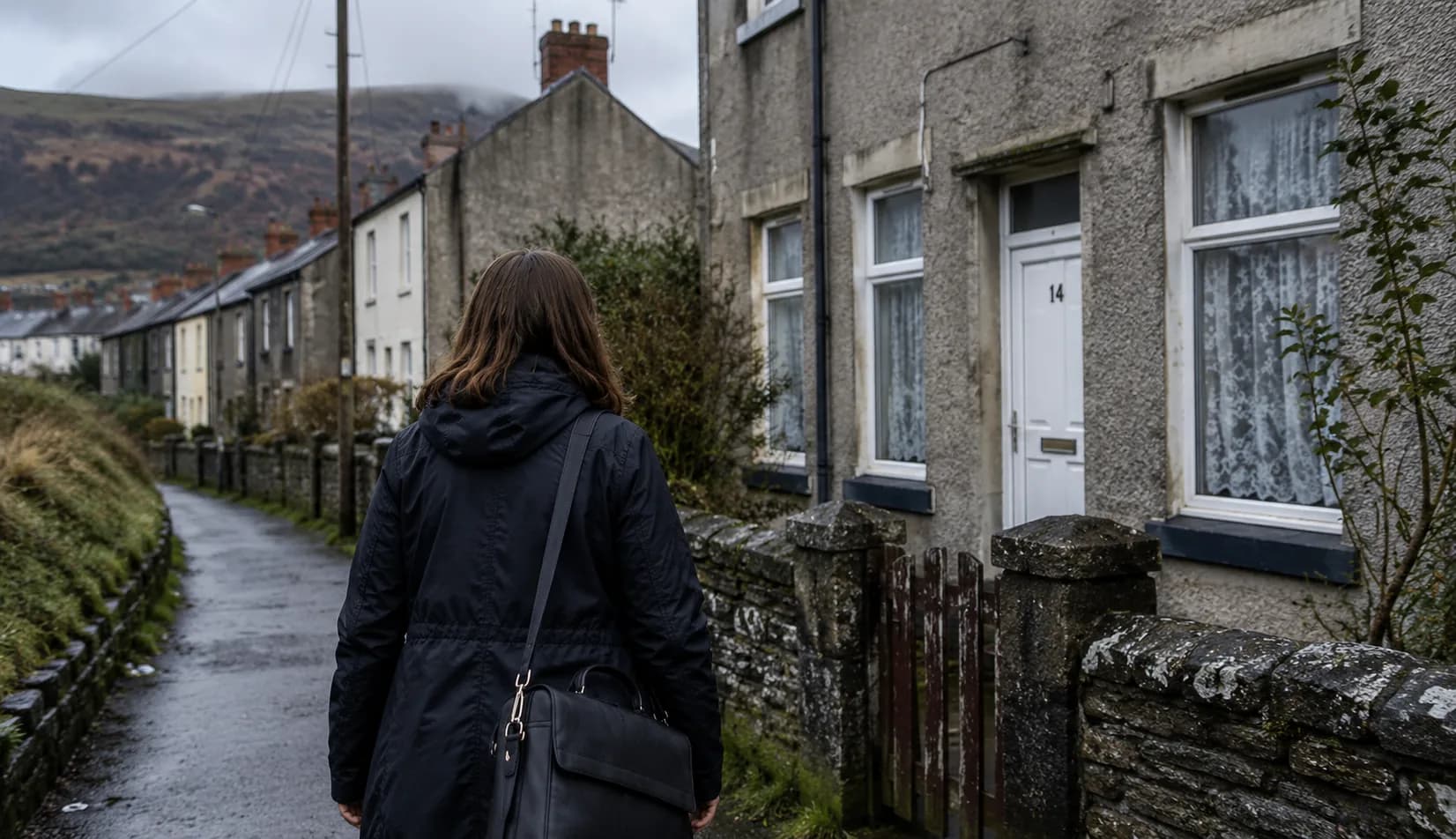
A home visit became unsafe when the worker had no clear exit plan
The operational challenge
During a home visit, another person arrived and the situation changed. The worker's route to the door became obstructed. A check-in arrangement existed, but the organisation did not know the worker's exact location or revised finish time.
What made the situation riskier
Weak visit planning, poor positioning and an incomplete check-in record left the worker with fewer options when the situation changed.
Our tailored approach
Share accurate visit details and agree meaningful overdue actions
Continually reassess people, place and changes in behaviour
Maintain exit awareness and avoid being drawn further into an uncontrolled space
Leave early and escalate when the risk picture changes
Key outcomes and impact
More consistent pre-visit planning
Earlier withdrawal from changing risk
Check-in systems staff and managers can use properly
Dealing with Challenging Phone CallsCustomer contact centre
An abusive call also raised a serious welfare concern
The operational challenge
A distressed caller moved between threats, personal abuse and comments suggesting they might harm themselves. The adviser felt pressure to keep the call going indefinitely and was uncertain whether to apply the abusive-caller procedure or the welfare route.
What made the situation riskier
Unstructured questioning increased pressure on the adviser and risked missing important information needed for escalation and an accurate record.
Our tailored approach
Slow the interaction and separate emotion, abusive behaviour and immediate risk
Use clear boundaries while keeping essential welfare questions focused
Follow the emergency or safeguarding route rather than managing the risk alone
End, document and debrief the call using agreed procedures
Violence against Women and Girls AwarenessCommunity and neighbourhood services
Repeated unwanted contact was treated as a series of minor incidents
The operational challenge
A woman described being watched near work, receiving repeated unwanted messages and changing her travel routine. Individual events appeared minor, but together they indicated a developing pattern of stalking and harassment.
What made the situation riskier
Treating each disclosure in isolation could minimise the pattern, overlook escalating risk and place responsibility for safety entirely on the person affected.
Our tailored approach
Recognise patterns associated with stalking, harassment, coercive control and intimidation
Listen without blame and record the pattern, frequency and impact
Avoid advice that unintentionally restricts the victim rather than addressing the behaviour
Use appropriate safeguarding, specialist-support and partnership routes
Professional BoundariesSupport and community services
A supportive relationship began to blur professional boundaries
The operational challenge
A service user began contacting one worker outside agreed hours, offering gifts and asking for personal help. The worker wanted to be supportive, but exceptions were becoming expected and colleagues were receiving different accounts of what had been promised.
What made the situation riskier
Gradual boundary drift created emotional pressure, inconsistent service and a safeguarding concern for both the service user and the worker.
Our tailored approach
Recognise early signs of dependency, over-familiarity and rule-bending
Use respectful language that resets expectations without rejecting the person
Keep communication through agreed professional channels
Record and share concerns early through supervision and safeguarding routes
Safeguarding Adults and ChildrenCommunity and public services
Small warning signs revealed a safeguarding concern when recorded together
The operational challenge
Different members of staff noticed an older adult becoming withdrawn, a relative answering every question and unexplained changes to household arrangements. Each contact appeared inconclusive on its own, so concern was not initially shared.
What made the situation riskier
Fragmented information delayed recognition of possible coercion, neglect or financial abuse and left staff unsure about the threshold for reporting.
Our tailored approach
Recognise patterns of abuse, neglect, exploitation and controlling behaviour
Ask appropriate open questions without investigating
Record observations, words used and relevant context accurately
Report concerns through the organisation's safeguarding route even when the full picture is not known
Scenario Based Frontline TrainingSecurity and civic services
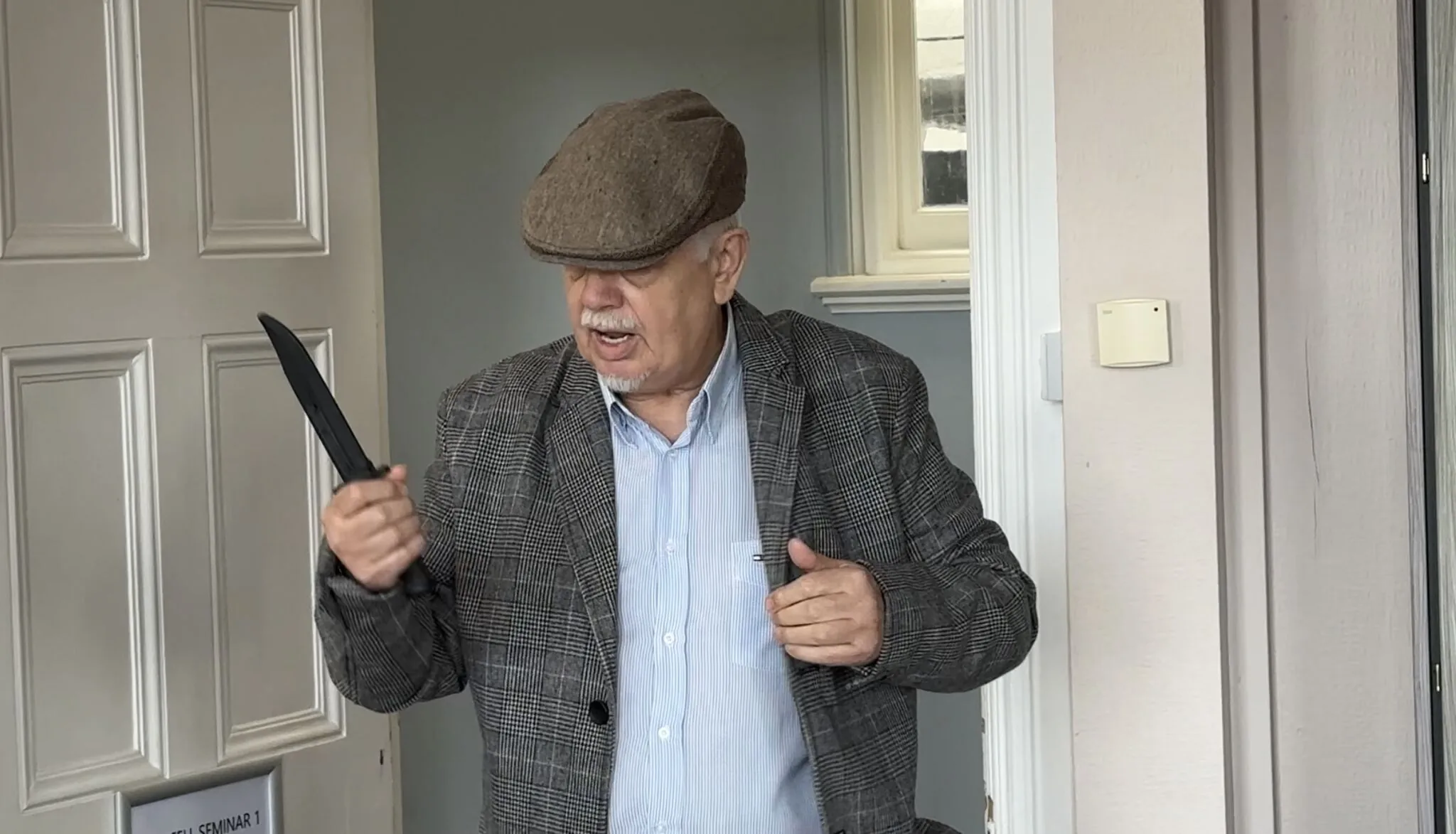
A knife threat at reception exposed a gap between procedure and team response
The operational challenge
During a live scenario for Welsh Parliament (Senedd) security staff, a trainer staged a highly emotional man presenting a knife at reception while a second concern developed nearby. Staff knew the escalation policy, but roles, radio messages and handover decisions became unclear under real pressure.
What made the situation riskier
The procedure described individual actions but did not establish how the team should coordinate when a weapon threat and a second competing demand happened at once.
Our tailored approach
Practise the local procedure against a realistic, controlled weapon-threat scenario
Allocate lead communication, observation and support roles
Use concise radio messages and confirm critical information
Debrief decisions and amend the response plan where the exercise revealed a system gap
Dangerous Dogs AwarenessHousing and property services
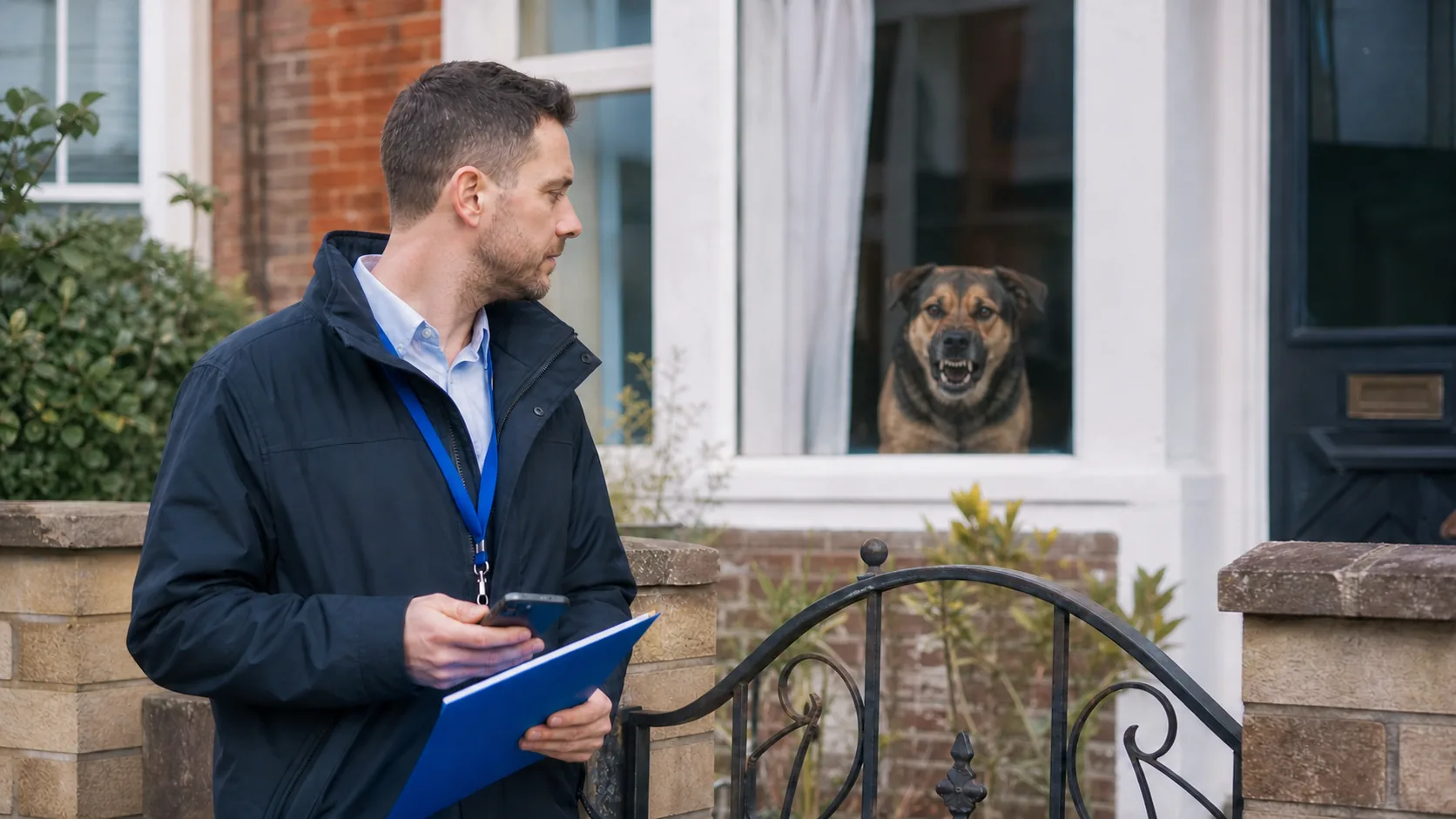
A home visit became unsafe when a dog charged the doorway
The operational challenge
A visiting officer approached a property after being told the dog would be secured. The dog reached the doorway first and the owner struggled to regain control, leaving the officer close to the entrance with no clear retreat route.
What made the situation riskier
Pre-visit information had been accepted without a visual check. The officer's position near the threshold reduced reaction time and made withdrawal harder.
Our tailored approach
Check for environmental and behavioural warning signs before crossing the boundary
Keep distance, avoid actions that may increase arousal and use the environment as a barrier
Ask the owner to secure the dog before entry and treat refusal or loss of control as a reason to withdraw
Record the hazard so future visits can be planned with suitable controls